Securing a professional pest control service in Auburn eliminates indoor pest activity while keeping living spaces safe for children and household pets. Property owners seeking a reliable pest control service near me gain structured, non-toxic exterior barriers designed specifically for the moist soil, river plain humidity, and dense greenbelts of the Green River Valley.
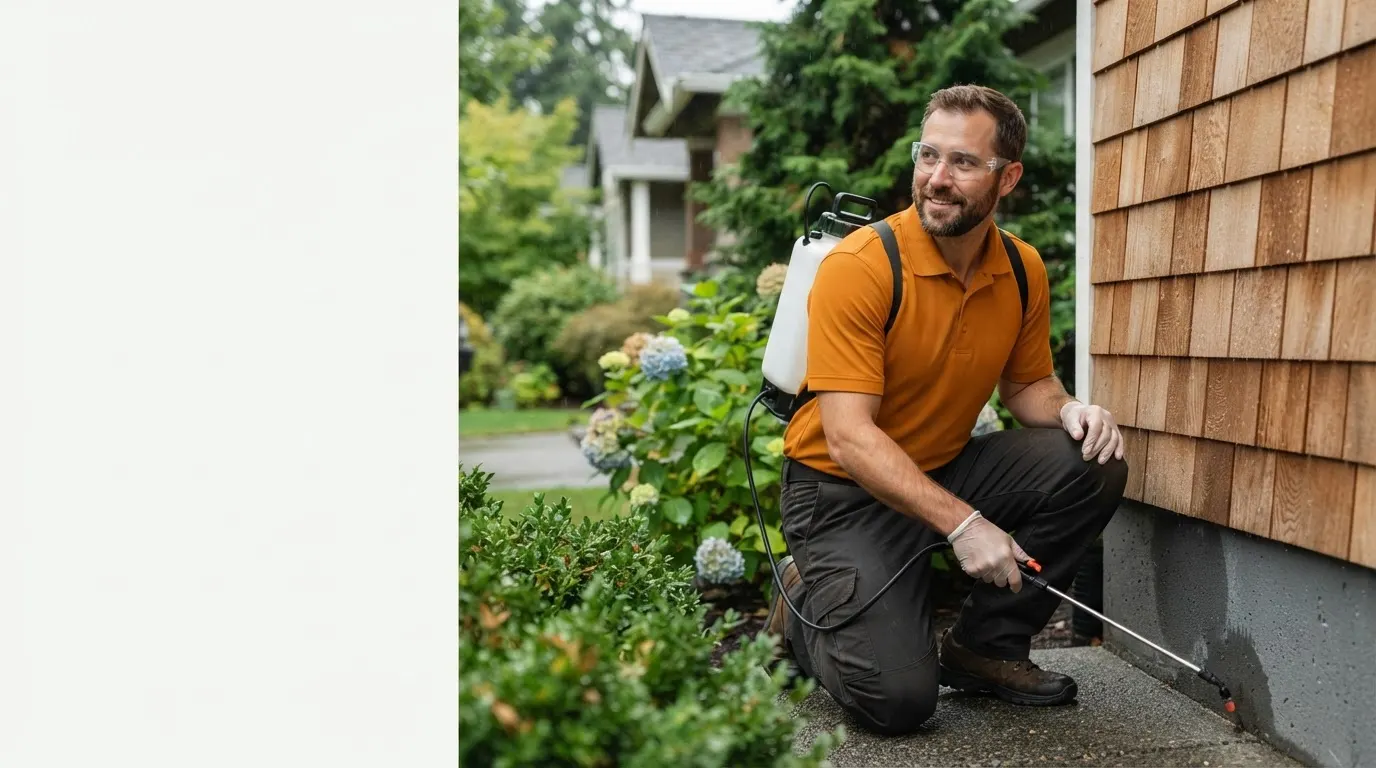
A pest control service in Auburn is a targeted residential or commercial management program that uses botanical, low-toxicity physical perimeters, mechanical exclusion, and microclimate-specific applications to eliminate structural insects and rodents throughout King and Pierce counties.
Every service reflects the same meticulous attention to detail, whether it's a single job or a larger pest control sevice project across Auburn.
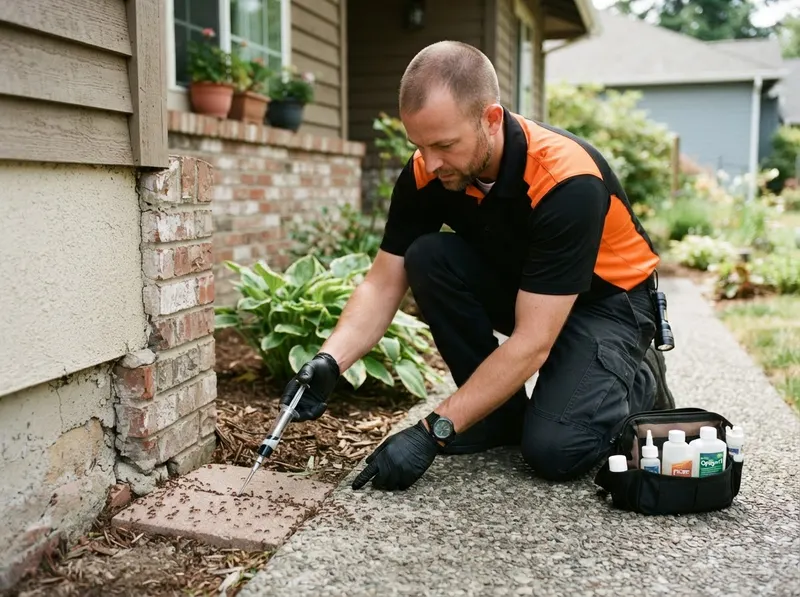
Odorous house ants (*Tapinoma sessile*) and moisture ants thrive across the wet terrain of Lea Hill and West Hill. SilverNest Insect Control identifies sub-slab and crawlspace trails, deploying low-toxicity, delayed-action carbohydrate baits and botanical perimeter barriers. Worker ants carry active micro-doses back into deep satellite nests, neutralizing the reproductive queen rather than causing defensive colony budding, which frequently happens when using standard retail contact repellents. Applications utilize non-repellent formulations validated under research protocols established by the Washington State University Department of Entomology , preventing reproductive stress dispersal into wall voids. Technicians map interior plumbing wall voids near dishwashers, laundry connections, and refrigerator condensation trays where worker trails originate. By treating exterior foundation edges up to three feet above grade and three feet out across soil boundaries, our barrier intercepts foragers without contaminating indoor surfaces or requiring household occupants to vacate their living areas.
Get a quote →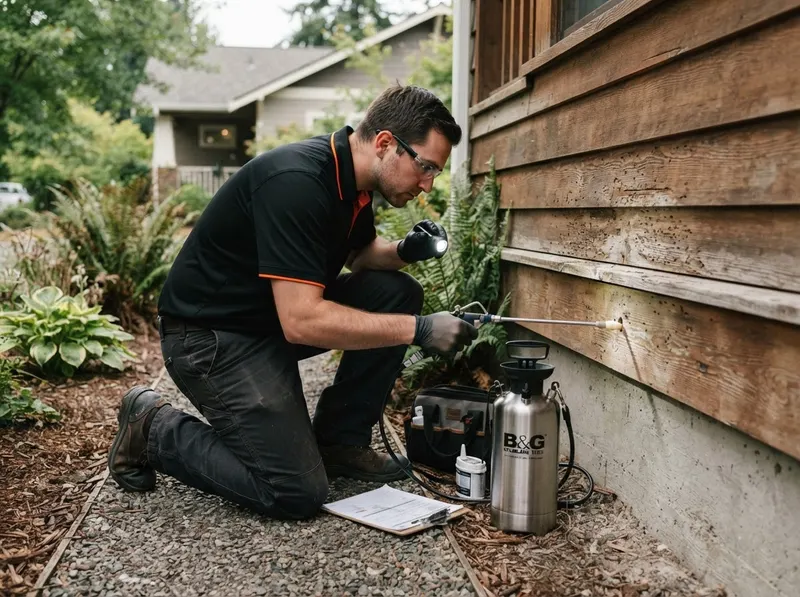
Carpenter ants (*Camponotus modoc*) chew through structural studs, subflooring, and crawlspace framing softened by Pacific Northwest moisture. SilverNest Insect Control executes void injections using non-staining, botanical-derived compounds directly into nesting cavities, pairs the application with tree canopy clearing advice, and establishes an active exterior non-repellent perimeter to intercept satellite nests moving from surrounding landscape timber into the home. Structural evaluations follow wood-destroying organism guidelines curated by the Washington State Department of Agriculture Pest Control Inspector Program , pinpointing localized moisture reservoirs before structural damage compromises floor joists. Specialists identify the distinct sawdust frass ejected through micro-fissures in interior baseboards, track exterior utility conduits, and target external window frame headers. Injected botanicals crystalize within nesting chambers, eliminating parent colonies without introducing persistent toxic residues into family bedrooms or nursery spaces.
Get a quote →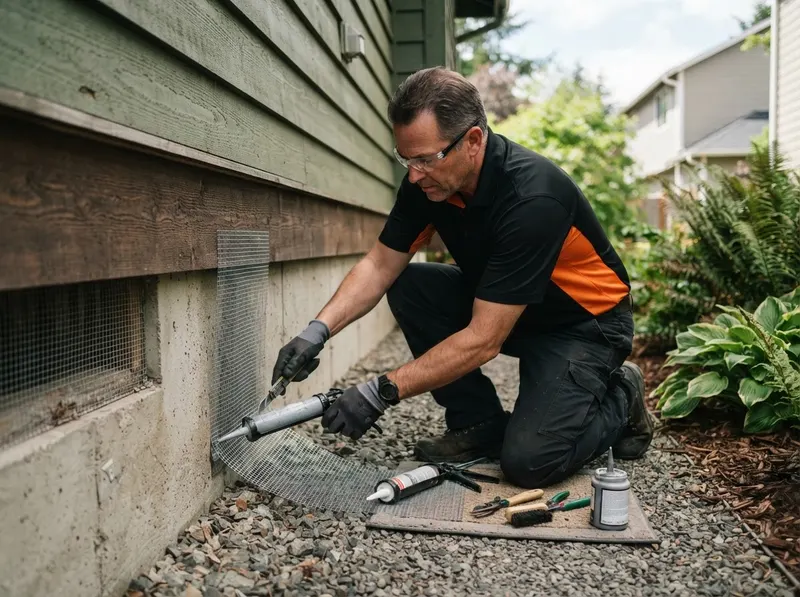
Norway rats, roof rats, and field mice migrate into suburban subfloors when temperatures shift. SilverNest Insect Control implements full-structure mechanical exclusion, sealing gaps larger than one-quarter inch using heavy-gauge galvanized steel mesh, exterior metal flashing, and expanding elastomeric sealant across crawlspace vents, siding laps, and plumbing penetrations, complemented by interior extraction and sanitized crawlspace inspections. All containment operations align with rodent exclusion specifications documented by the Centers for Disease Control and Prevention Rodent Abatement Division . Technicians carefully audit foundation penetrations around exterior heat pumps, HVAC refrigeration lines, garden hose bibs, and subterranean crawlspace access wells. Interior snap traps are positioned exclusively within locked, tamper-resistant containment boxes inside crawlspaces or attic areas, guaranteeing zero exposure risk for household domestic pets while systematically extracting nested populations within 7 to 14 business days.
Get a quote →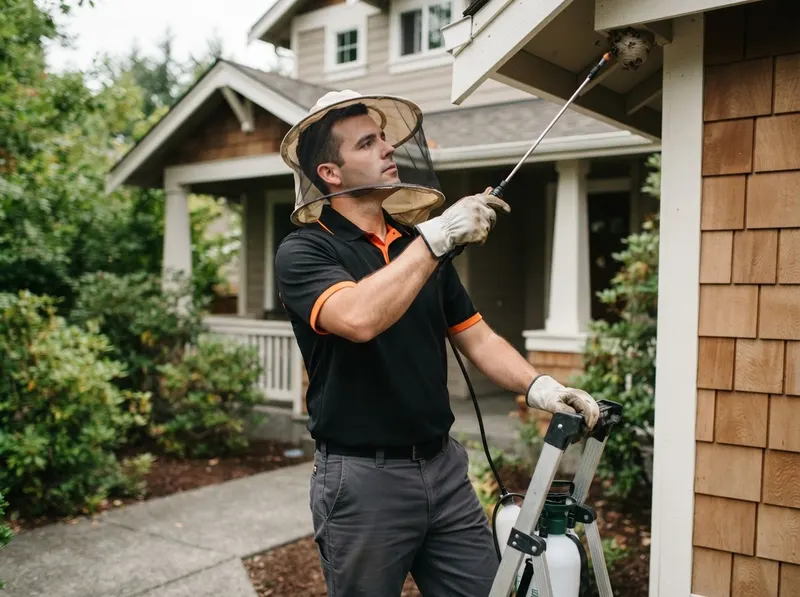
Paper wasps, yellowjackets, and bald-faced hornets construct hazardous aerial and subterranean nests around eaves, architectural soffits, fascia boards, and residential deck framing. SilverNest Insect Control uses precision micro-aerosol and freeze-contact applications derived from natural plant oils to neutralize aggressive stinging colonies safely, physically removing nest materials and treating architectural attachment points to deter future queens from re-nesting. Technicians reference behavioral biology manuals provided by the Entomological Society of America , timing treatments to early morning or twilight hours when foraging workers remain inside the paper nest matrix. Ground nests hidden in landscape berms, hollow railroad ties, or decorative bark beds receive direct botanical drenches that neutralize larvae without leaching petroleum solvents into local groundwater tables or domestic flower gardens.
Get a quote →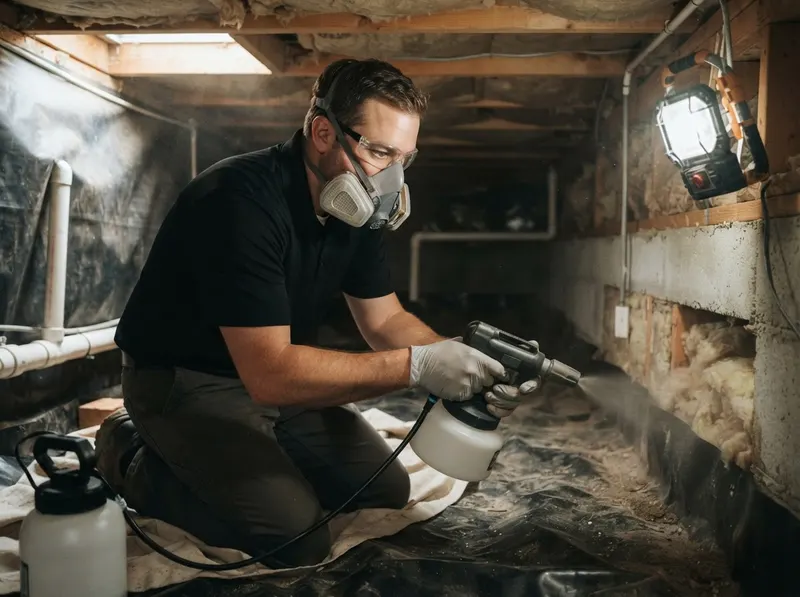
Rodent nesting destroys subfloor insulation, contaminates vapor barriers, and leaves pheromone markers that draw subsequent wildlife. SilverNest Insect Control vacuums contaminated droppings using HEPA-filtered containment machinery, extracts degraded fiberglass batt material, applies non-toxic botanical sanitizers to neutralize biological path-markers, and resets clean thermal barriers beneath Auburn residences. The technical protocol follows indoor structural air cleanliness parameters set by the Occupational Safety and Health Administration Indoor Air Quality Standards , safeguarding the ambient air pulled upward into family rooms through structural stack-effect air movement. Degraded poly vapor retarders across damp sub-soil are stripped, foundation crawl walls are misted with non-acidic anti-microbial washes, and newly fitted continuous R-30 insulation bats are mechanically secured between floor joists to restore thermal efficiency and household hygiene.
Get a quote →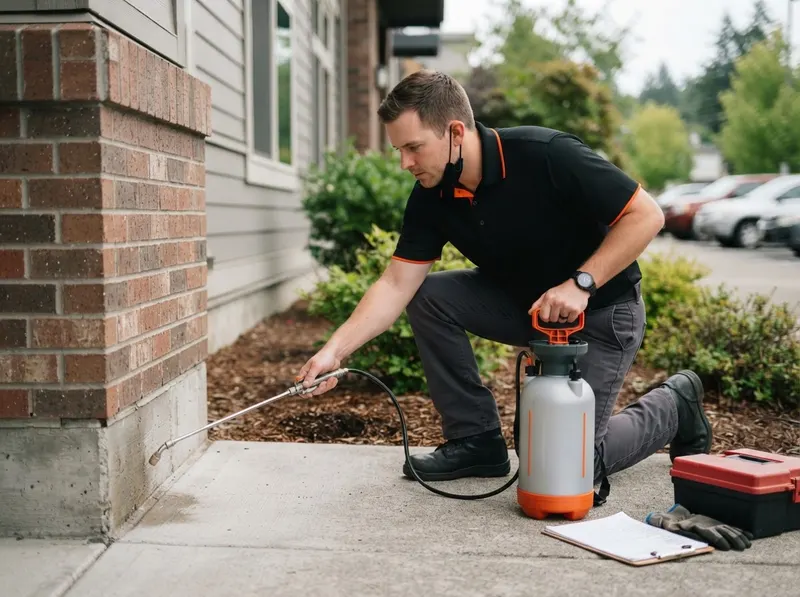
Commercial warehouses, distribution facilities, and light industrial complexes in the Terminal District and North Auburn require steady regulatory pest compliance without harsh, disruptive chemical airborne residues. SilverNest Insect Control designs integrated pest management programs utilizing tamper-resistant exterior monitoring, digital reporting, and targeted structural threshold treatments complying with state safety codes. Facility logging aligns with rigorous auditing parameters established under the U.S. Food and Drug Administration Food Safety Modernization Act , ensuring shipping docks, food processing zones, and packaging bays stay free of beetle, fly, and rodent activity. Electronic barcode stations monitor pest entry rates along exterior concrete aprons, tracking trends across seasonal weather shifts and supplying property managers with transparent compliance paperwork for regional health inspectors.
Get a quote →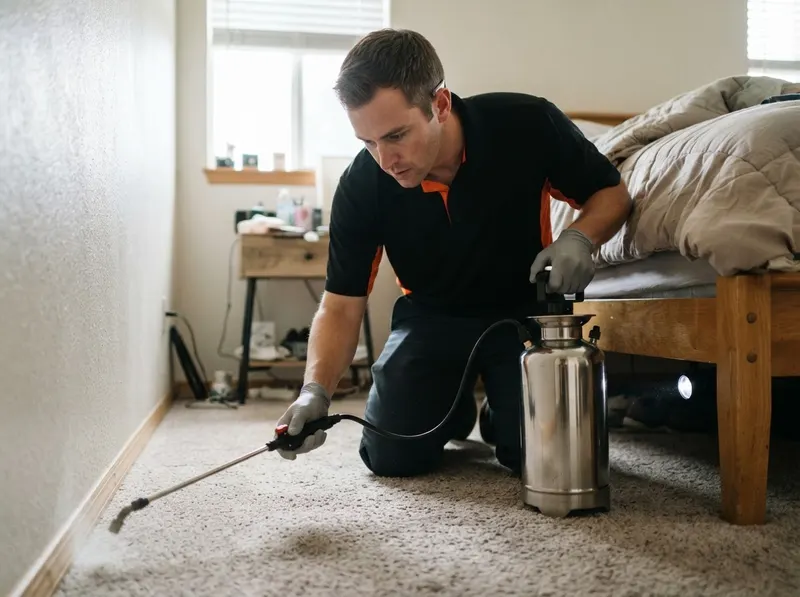
Household flea infestations brought in by suburban wildlife or pets settle into subfloors and carpets. SilverNest Insect Control delivers targeted insect growth regulators (IGRs) combined with low-mammalian-toxicity compounds, disrupting the hormonal lifecycle of flea larvae and pupae without leaving toxic airborne residues on furniture, pet bedding, or floor surfaces. Treatments apply biological lifecycle interference models published by the University of Illinois College of Veterinary Medicine Parasitology Guidelines . Applications directly prevent juvenile larvae from reaching reproductive adulthood, breaking recurring hatching cycles across dense plush carpeting, hardwood gaps, and sofa upholstery seams. Because the formulation targets juvenile hormone mimics specific to insects, human occupants and domestic animals encounter zero neurological side effects throughout the treatment cycle.
Get a quote →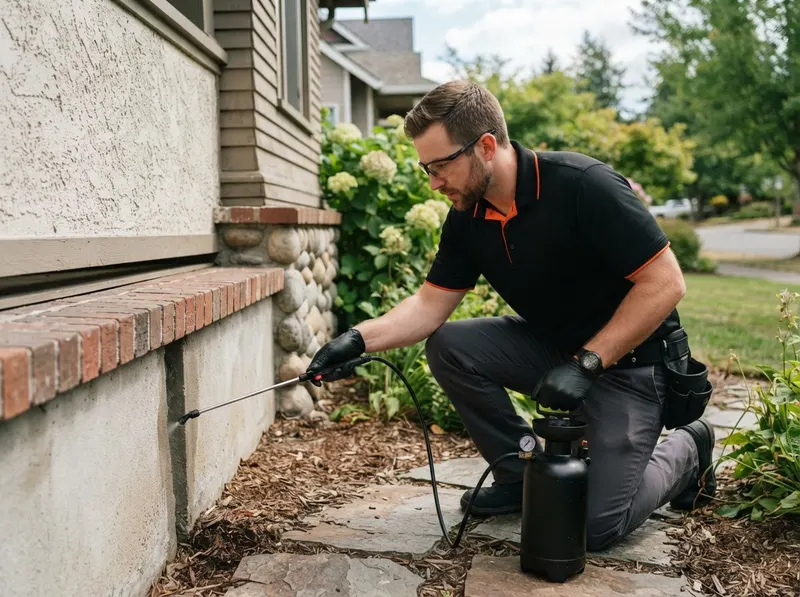
Giant house spiders, yellow sac spiders, and common basement weavers populate unconditioned basements and exterior siding lines. SilverNest Insect Control performs manual mechanical web de-dusting along high eaves, window wells, and siding junctions, paired with micronized natural mineral dust treatments inside dry weep holes and wall voids to manage populations safely. The integrated elimination approach references arachnid ecological data from the Burke Museum of Natural History Arachnology Department , targeting primary exterior prey insect populations that draw hunting spiders toward residential window screens and sliding patio doors. Mineral dusts formulated from amorphous silica mechanically absorb protective lipid layers from spider exoskeletons, dehydrating hiding arachnids within wall voids over a 48-hour period without off-gassing chemical scents inside bedrooms.
Get a quote →You get a firm, itemized quote for your pest control sevice before any work begins, no surprises, no pressure.
Careful prep, tidy work, and a full cleanup when we are done. We treat your home and belongings like our own.
The same trusted, background-checked team from the first call to the final check.
If an active structural infestation of wood-destroying organisms or nesting sugar ants is discovered inside walls or living areas, homeowners should select an intensive interior clean-out combined with mechanical physical exclusion; if the home is currently pest-free but borders native greenbelts or riparian damp zones, an exterior botanical barrier perimeter program is the appropriate choice. The trade-off between an intensive clean-out and a barrier program centers on service scope and disturbance: an interior physical exclusion requires clearing access to utility chases, baseboards, under-sink piping, and crawlspaces for manual sealing, whereas an exterior-focused perimeter barrier treats the structure outer envelope, foundation weep holes, and roof overhangs without requiring family members or pets to vacate interior rooms. For properties dealing with pervasive rodent nesting near riparian corridors, pairing mechanical flashing with targeted exterior tamper-resistant monitoring units resolves structural vulnerability without placing loose neurotoxic baits where non-target urban wildlife or neighborhood pets could access them.
Furthermore, property owners managing heritage residences near the Auburn Performing Arts Center or older single-story ranch homes across the Stuck River Valley face structural settling that expands exterior baseline gaps. If a property displays settling cracks wider than one-quarter inch along siding foundations, selecting mechanical mortar caulking and mesh barriers prevents recurring seasonal ant entry far more permanently than continuous chemical spraying. Conversely, modern multi-level builds along the steep greenbelts of Lakeland Hills or near the Auburn Golf Course encounter severe wind-driven rain and dense tree canopy overhangs.
In those highland settings, prioritizing exterior canopy clearance of three to six feet away from gutters paired with micro-encapsulated foundation perimeter treatments provides the optimal balance between investment cost and structural security, stopping roof rats and wood-infesting beetles before they bypass secondary physical flashings.
Every project gets a firm, written price after a free on-site visit. Ranges below for orientation.
Tell us about your pest control sevice job and we'll send a clear, written quote, usually the same day. Or just call and talk to a real Auburn pro.
(253) 648-4813
Properties along the Stuck River Valley and Green River corridors in Auburn face constant pest pressure generated by high groundwater tables, expansive river silt soils, and seasonal flooding events that displace burrowing Norway rats and subterranean ant colonies directly into residential foundations. Meanwhile, residences situated along the heavily wooded bluff lines of Lea Hill and West Hill encounter wood-boring carpenter ants, moisture beetles, and roof rats traveling directly from mature Douglas fir and cedar canopies onto unshielded roof eaves. Managing pests in this region demands targeted perimeter barriers capable of withstanding the Puget Sound region's extended annual rainfall without washing away into municipal salmon watersheds. Residential neighborhoods surrounding Game Farm Park, the Auburn Golf Course, and the Green River College campus contend with intense riparian migration bands every autumn when cold rains lower soil temperatures, driving field mice and odorous house ants toward heated foundation perimeters. Furthermore, the light industrial and freight expansion throughout the Terminal District and North Auburn along State Route 167 creates continuous artificial heat islands and logistical shipping movement, which sustains localized roof rat populations year-round. Balancing these severe environmental pressures requires an intimate understanding of Auburn topography, shifting groundwater channels near the Muckleshoot Casino Resort, and wind patterns filtering off the Cascade foothills. SilverNest Insect Control formulates micro-encapsulated treatments that adhere to damp concrete foundations, preserving structural integrity without disrupting native predatory insects, local domestic animals, or the vulnerable freshwater ecosystems connected to the Green River basin.
Free estimates for Auburn & the surrounding area.
For standards, safe disposal, and service guidance on pest control sevice in Auburn, WA, useful references include U.S. EPA, ENERGY STAR, U.S. Dept. of Energy, Consumer.gov, U.S. Census Bureau, and Google Maps. General consumer and small-business resources are available from USA.gov, Better Business Bureau, FTC Consumer Advice, U.S. Small Business Administration, and Ready.gov.
 SilverNest Insect Control